
Key spaces to incorporate into your home to keep it mess- and stress-free, plus tips for staying tidy.

If you’ve decided to go the new build route, chances are you’re looking forward to building a home to meet your family’s unique needs. While you’re no doubt excited about the gourmet kitchen to satisfy your rigorous entertaining schedule or the lower level dedicated to movie nights with your kids, there’s one element you shouldn’t overlook during the blueprint stage: organization.
But organization doesn’t just come down to keeping a neat and tidy house—research shows that it benefits your mental health, reducing stress and anxiety, improving sleep, heightening focus and attention, and fostering inspiration.“Building a new home is a fresh start to an organized life,” says Nancy Brown, in-house interior designer for Hanson Builders. “Today’s active families often simply outgrow their homes as organization and storage needs change.”
“I am a firm believer that organization supports a sense of calm and peace, which, to me, is the true meaning of home,” says Hartman Homes director of design, Julie Speer. “When life gets hectic, the ritual of putting things away where they belong clears my mind, allows me to focus my energy on taking care of my family, and prepare for the next day.” Here, Brown and Speer offer their advice for making organization feel like a natural part of your home and routine.
While opportunities for organization exist in any room throughout a home, there are some key spaces that you should include in your floor plan.
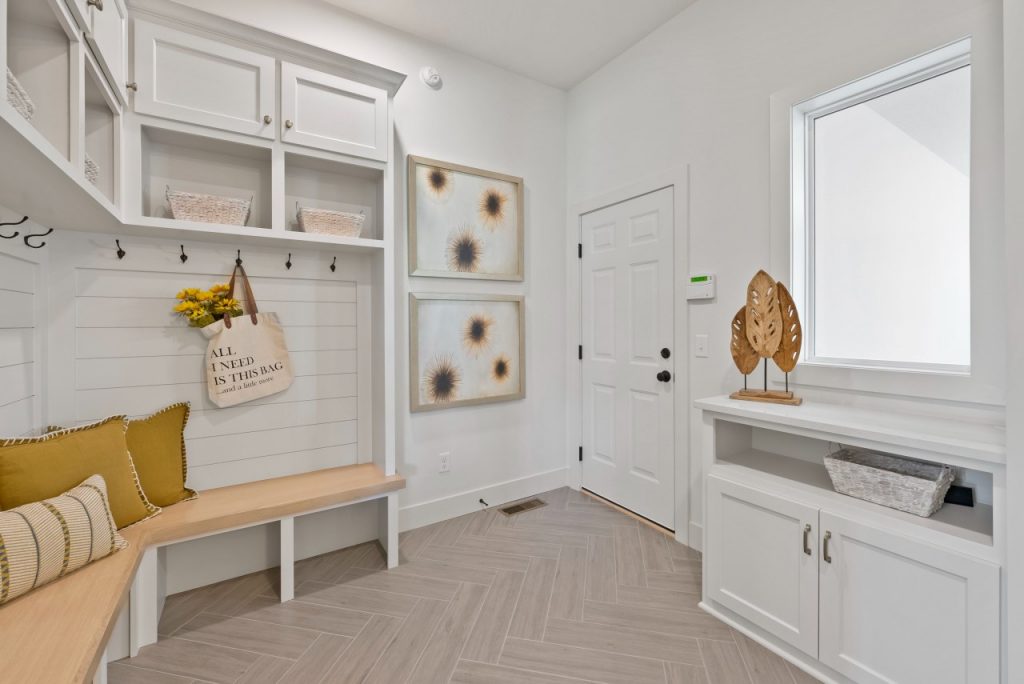
Typically positioned off the kitchen or garage, a mudroom prevents a glut that would otherwise inevitably happen inside the front entryway—especially in Minnesota, where heavy jackets, boots, and snowpants dominate our wardrobe a significant portion of the year.
“Mudrooms allow families to get out the door with ease, where everyone has a space to store their outerwear, work and school bags, and all the gear needed for activities and sports,” says Speer. Choose easy-to-maintain materials like tile flooring and laminated cabinetry, and don’t skimp on drawers, cubbies, lockers, hooks, and drop-zones, depending on your family’s needs.
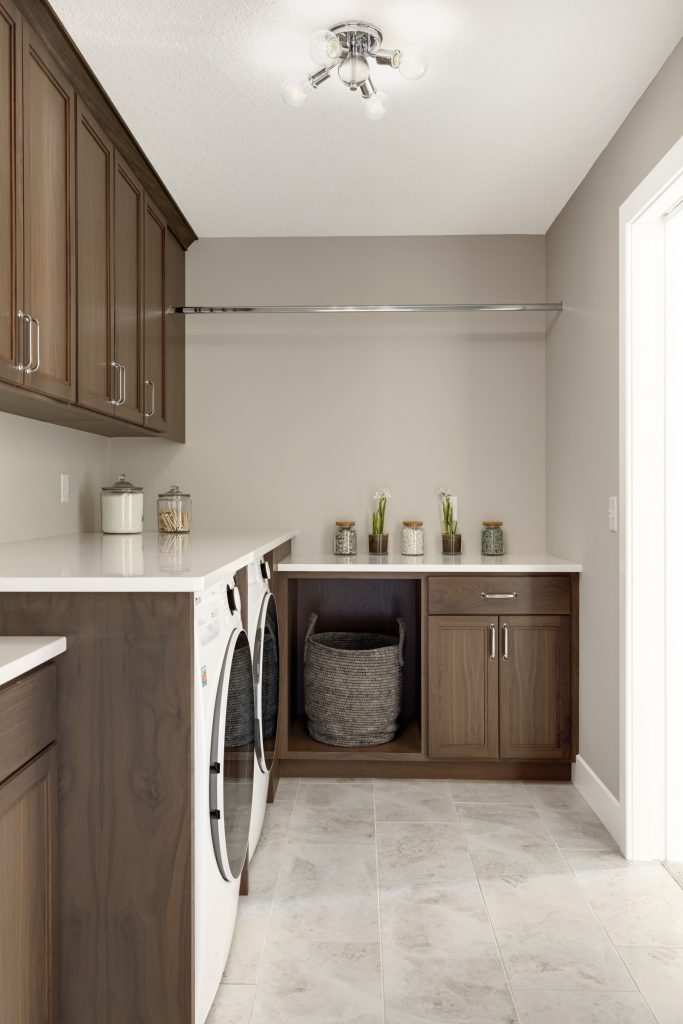
For homeowners tired of the constant clothes on-the-floor argument with their kids (or, let’s be honest, their partner), a designated laundry room is ideal. Not only do you want space for a washer and dryer, but also laundry bins for each family member, shelving for detergent and other household cleaners, and cabinets to tuck away fresh linens for overnight guests.
Install durable, wipeable finishes in case of leaks or spills, and get creative with containers—such as glass beverage dispensers with spigots for fabric softener, or jars for detergent pods and dryer balls.
When you think of a pantry, you likely imagine a closet for storing dry goods and canned items, but when well-designed, this room adjacent to the kitchen can offer much more. Think: space to store bulk-buying purchases like paper towels and toilet paper, additional appliances and sinks to keep food prep hidden from guests, and ample shelving for clear visualization of spices and cookbooks.
Even though a pantry’s contents are out-of-sight, don’t neglect style. Opt for aesthetically pleasing clear containers to house pasta noodles, cereal, and crackers, and add your own twist with wallpaper on the shelves or a chalkboard-painted door, which can double as a spot to keep a running grocery list.

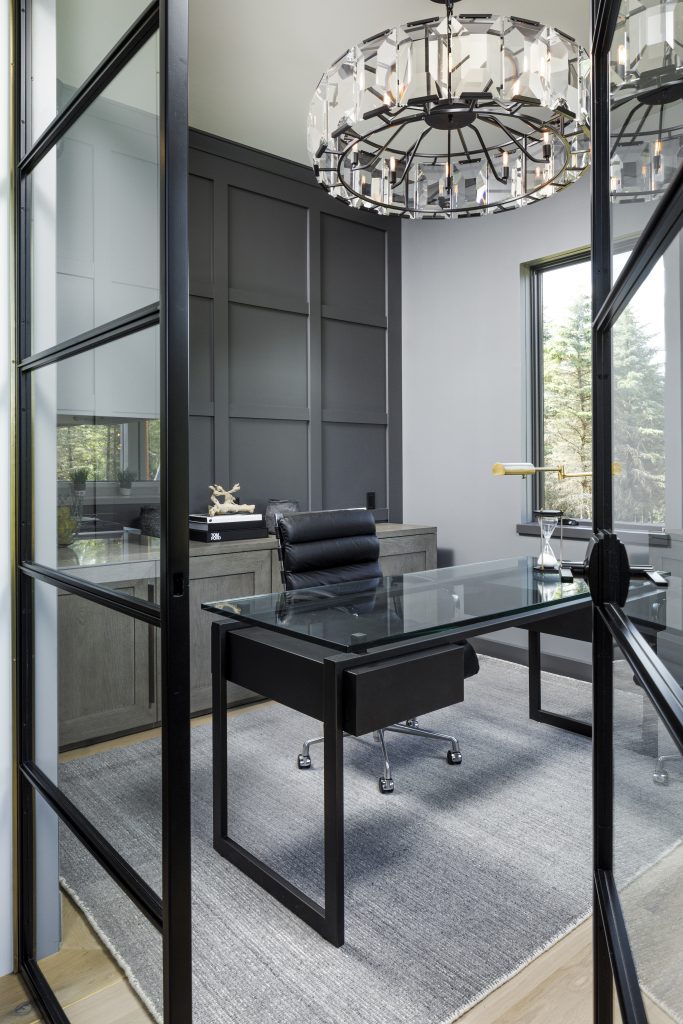
With many people working and learning remotely over the past two years, the importance and potential of the home office became top-of-mind. Beyond a desk and chair for work, this room can act as the organizational heart of the home, with specified space to keep important documents, a family calendar, crafting supplies, or a library.
Ditch those traditional metal filing cabinets and instead outfit the space with wall-hanging baskets, built-in storage, and drawer organizers to sort pens, paper clips, and tape.
With your new organizational spaces in place, now comes the real challenge: keeping those rooms clean and tidy. Here are three tips to help you stay organized.
“Organization takes determination and discipline,” says Speer. “Incorporating baskets, drawers and shelf dividers, and labels is a great first step to encourage the family to support the organizational systems that have been put in place. This allows for items to be consistently stored where they are intended.”
“Extend your design aesthetic into the storage spaces with intentionally styled products,” says Brown. “Have fun and make these rooms feel like an extension of your living spaces, because storage spaces that look good and feel good inspire us to keep organized.”
Just as you wash bedding or vacuum weekly, organization should become a priority on your to-do list. “Routinely scan closets, cabinets, and countertops to remove seasonal items and unused items,” says Brown. “Removing clutter can make the tasks of organization feel less overwhelming.”
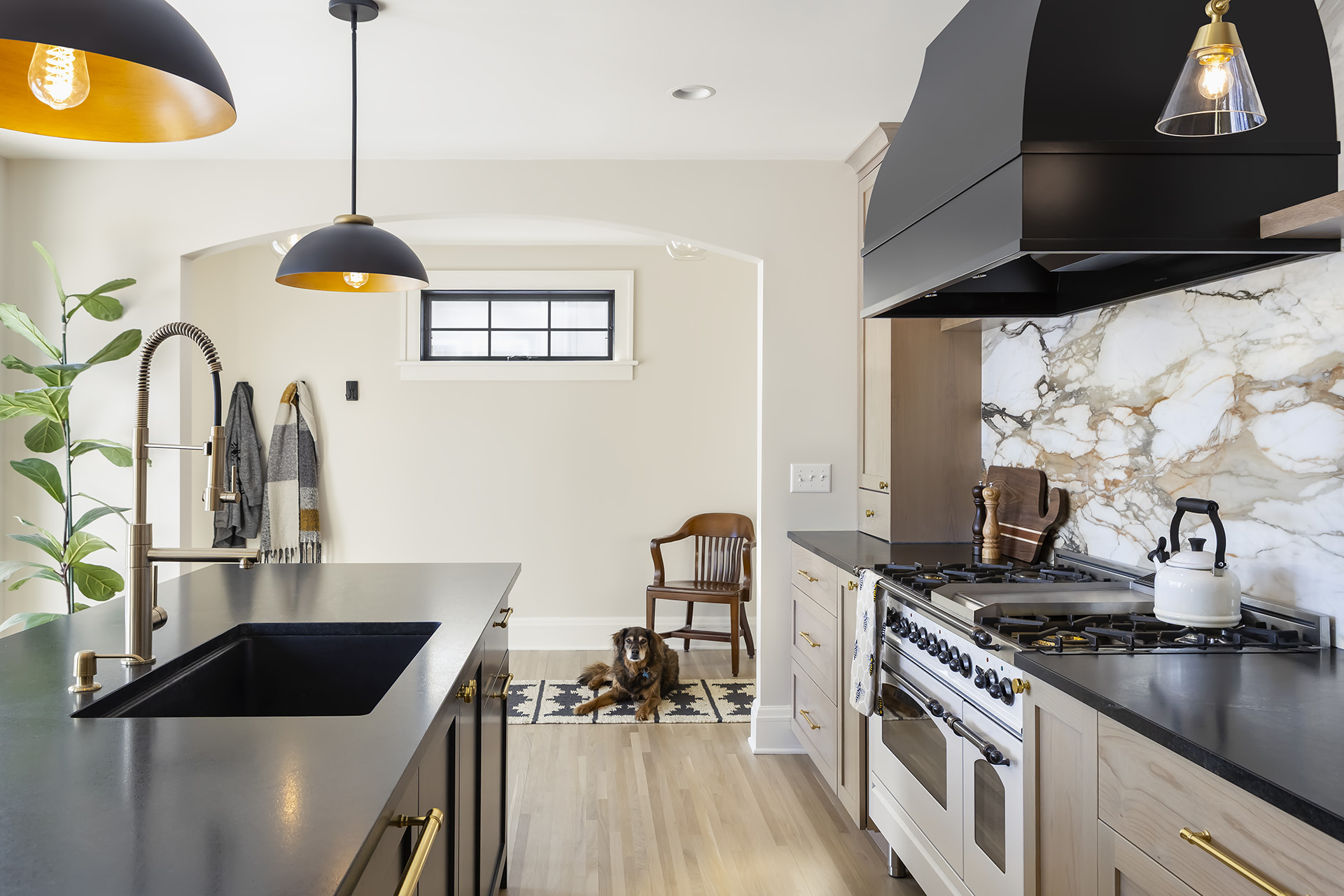
When it comes to remodeling your home, who you choose to work with matters just as much as what you plan to change. A great remodeler will guide you through a complex process with expertise, transparency, and professionalism. And in a world of DIY shows and social media inspiration, it can be tempting to cut corners or rush the hiring process. But a remodel is a major investment in your home — and your peace of mind depends on getting it right from the start.
So, what does hiring a professional remodeler actually look like?

Choosing the right paint color for your home can be overwhelming. With endless shades and finishes available, it’s easy to make mistakes that lead to regret later. Here, Jean Haukaas, Hirshfield's Design Resource Showroom manager, shares some of the most common paint color mistakes homeowners make — and how to avoid them.

Older homes are desirable for their historic charm and established neighborhoods, but when it comes to amenities that promote health and overall wellbeing, your 1930s Tudor may be lacking. Through strategic remodeling, these older homes can be updated to meet contemporary wellness needs, whether it’s more windows to increase natural light, a reimagined kitchen that encourages cooking balanced meals, or smart features that make day-to-day life
a little easier.