
Whether you lean traditional or modern, or fall somewhere in between, there’s an architectural style to fit every aesthetic preference. Not sure if you’d feel more at home in an 1800s-inspired Victorian or a Craftsman reminiscent of 19th century structures? Here, Twin Cities builders break down the defining characteristics of eight trending designs in new construction.

Influenced by the Arts and Crafts Movement of the late 19th century, American Craftsman homes are defined by their low-pitched roofs, natural building materials such as stone or wood, and front porches. It’s one of “our most popular two-story plans,” says Kristin Cuddigan of Cuddigan Custom Builders.
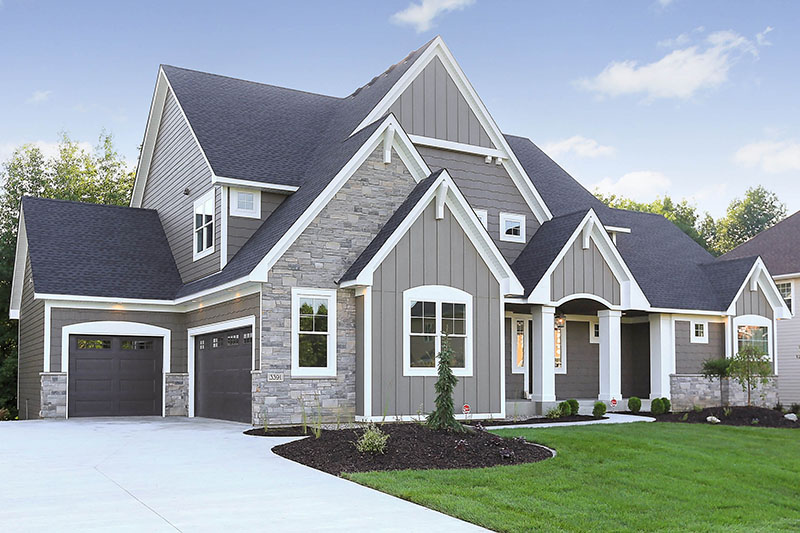
Conjuring images of the beach, Cape Cod is another popular two-story plan for new construction homes, says Cuddigan. Homeowners craving a taste of the coast love the style for its symmetrical appearance, shingle siding, gabled dormers, steep roofline, and double-hung windows with shutters.
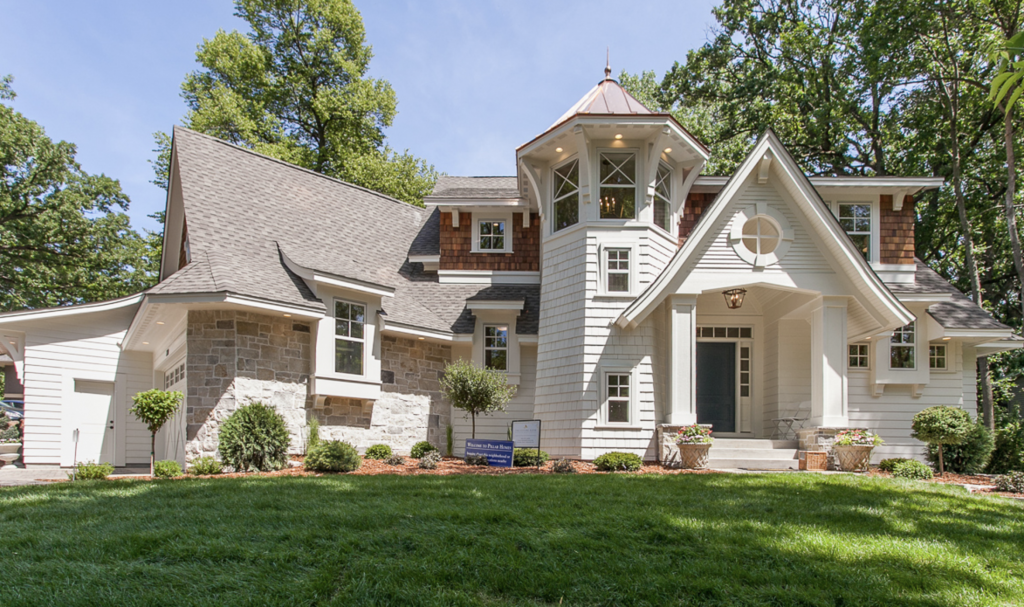
Ooh la la! As the name suggests, these homes make you feel like you’ve stepped into the French countryside. Think: weathered finishes, a warm-yet-neutral color palette, stone or brick siding, and perhaps a rounded door—all of which add up to that perfect rustic, elegant mix.
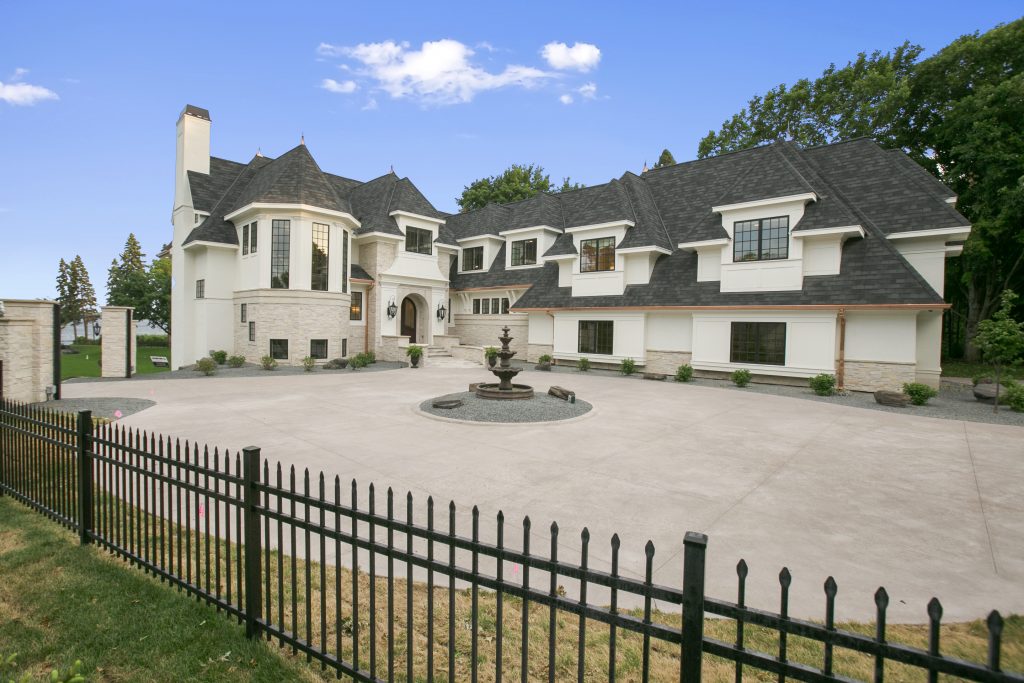
Blending old with new, this style is the recreation of classic forms, featuring attributes like columns, simple ornamentation, and gabled rooflines. New traditional “takes the layout and timelessness of a traditional home but forgoes the formality,” says Todd Polifka, owner of Custom One Homes. “This trend is classy and refined with plenty of room for playful finishes and individual tastes.”
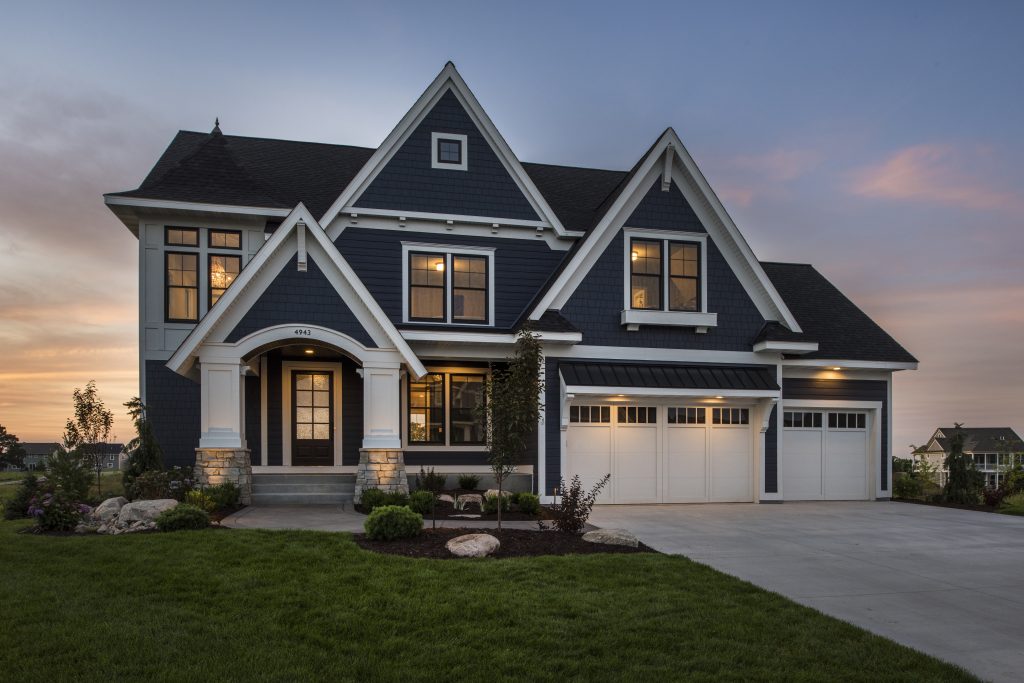
Ramblers, or ranch homes, reached peak popularity in the 1950s and ’60s, but as they experience a resurgence, the historically long and low profiles are being refreshed for today’s homebuilders. “Ramblers have taken on their own new look, offering exteriors with high gables and false dormers to give the home a more substantial curb appeal,” says Cuddigan.

If you’re drawn to large windows that foster a connection between indoors and out; local, sustainable materials; and dark, neutral color palettes that come to life through texture, mountain modern might be your style. These homes have “the rustic warmth and welcoming appeal of a mountain lodge but are finished with modern technology and trends, and a little luxury,” explains Polifka.
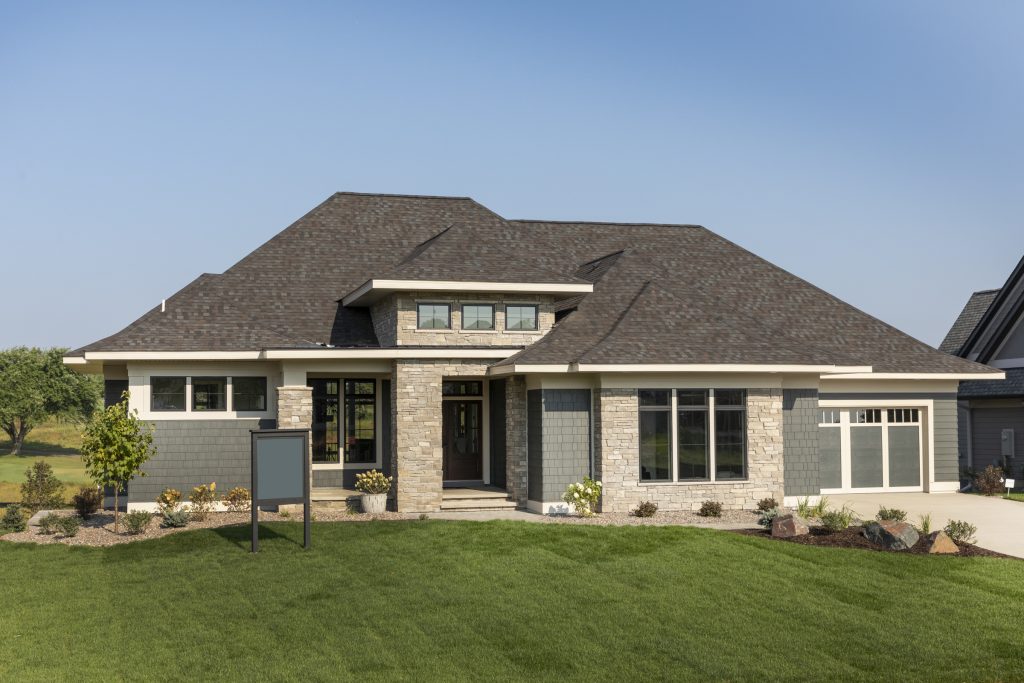
With decorative woodwork, stained glass, round angles, and towers, this classic style of the 1800s is reminiscent of a dollhouse—and it’s making a comeback. “We are even building an unbelievably gorgeous Victorian two-story with turrets and copper roof details,” says Cuddigan. “Your creativity is only limited by your budget!”
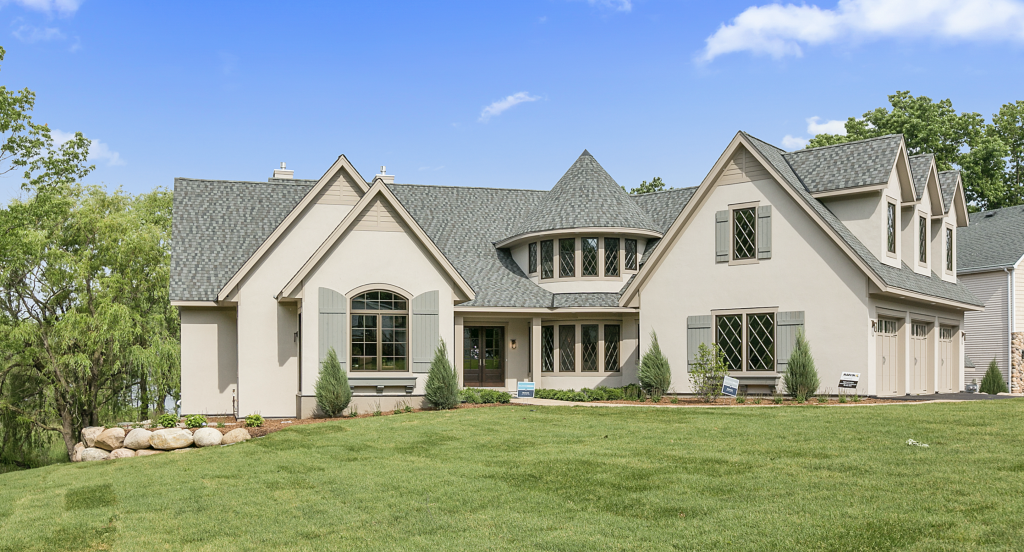
If you’ve ever seen an episode of HGTV’s Fixer Upper, you’re familiar with the modern farmhouse style, with gabled, steep-pitched roofs; lap siding; and open porches. It takes the “comfortable, classic American style and elevates it in a new way,” says Polifka. “These homes are inviting and cozy, and focus on a deceptively simple style completed with quality craftsmanship.”

By Taylor Hugo
Taylor Hugo (taylorhugo.com) is a freelance writer and editor who has experience creating content for regional and national magazines, small businesses and Fortune 500 companies, and everything in between. After spending most of her life in Minnesota, she recently relocated to Colorado, where you’ll find her hiking the Rocky Mountains and decorating her first home that she shares with her husband and dog.

Choosing the right paint color for your home can be overwhelming. With endless shades and finishes available, it’s easy to make mistakes that lead to regret later. Here, Jean Haukaas, Hirshfield's Design Resource Showroom manager, shares some of the most common paint color mistakes homeowners make — and how to avoid them.

Older homes are desirable for their historic charm and established neighborhoods, but when it comes to amenities that promote health and overall wellbeing, your 1930s Tudor may be lacking. Through strategic remodeling, these older homes can be updated to meet contemporary wellness needs, whether it’s more windows to increase natural light, a reimagined kitchen that encourages cooking balanced meals, or smart features that make day-to-day life
a little easier.

Spring is the ideal time for a fresh start — especially when it comes to your home. Whether it’s through thoughtful decluttering or permanent design changes, transforming your home can be a powerful step toward creating a streamlined sanctuary that supports your overall health and wellbeing.
“Keeping your home clutter-free and organized creates a peaceful and functional space, reducing stress and making daily tasks easier,” says Kari Campbell, founder and principal designer at Kari Campbell Interiors. “Plus, it saves time when you know exactly where to find what you need. It’s all about creating a space that feels good to live in.”
Here, Twin Cities home professionals offer their tips to transform your space — and your mind.